Green Prison
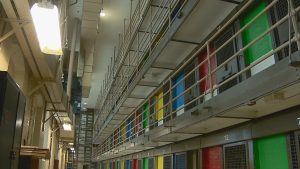
The term Green Prison refers to an environmentally sustainable model of correctional facility designed to minimise ecological impact while promoting rehabilitation and humane living conditions. It combines the principles of sustainable architecture, energy efficiency, and ecological responsibility with the goals of correctional reform. Beyond reducing carbon emissions and conserving resources, green prisons seek to improve inmate well-being, provide vocational training in green technologies, and encourage social reintegration through environmental awareness.
Background and Concept
Conventional prisons are among the most resource-intensive public institutions, consuming vast amounts of energy, water, and raw materials while generating significant waste and pollution. The green prison model emerged as a response to these environmental and ethical challenges, integrating sustainable practices into prison design, operation, and rehabilitation programmes.
The idea aligns with global sustainability goals and reflects a shift in criminal justice philosophy—from purely punitive systems to approaches that balance security with environmental and social responsibility. Green prisons are thus viewed not merely as buildings but as ecosystems of reform, where the environment itself becomes part of the rehabilitation process.
Core Features of a Green Prison
-
Energy Efficiency and Renewable Energy Use:
- Incorporation of solar panels, geothermal systems, and natural ventilation to reduce dependency on fossil fuels.
- Use of energy-efficient lighting, insulation, and smart energy management systems.
-
Water and Waste Management:
- Installation of water recycling systems, rainwater harvesting, and low-flow plumbing fixtures.
- Composting organic waste and promoting recycling of plastic, metal, and paper.
-
Sustainable Architecture and Design:
- Use of eco-friendly materials and green building designs that maximise natural light and airflow.
- Construction layouts that minimise land disturbance and promote biodiversity through green roofs and gardens.
-
Green Work and Vocational Training:
- Inmates participate in agricultural, horticultural, and renewable energy projects.
- Programmes that teach sustainable farming, waste management, and environmental maintenance skills, aiding post-release employment.
-
Rehabilitative Environment:
- Incorporation of natural spaces and gardens for mental health and recreation.
- Emphasis on community engagement, moral education, and social responsibility.
Global Examples
- Norway: Facilities such as the prison on Bastøy Island are renowned for combining humane living conditions with sustainability. Inmates live in wooden cottages, farm the land, and manage energy-efficient systems, creating a self-sustaining, rehabilitative community.
- India: Several prisons, including those in Gujarat and Maharashtra, have adopted solar power systems to reduce dependency on conventional energy sources. Some have also introduced organic farming and rainwater harvesting projects managed by inmates.
- United States and Europe: Many modern prisons incorporate recycling programmes, energy-efficient retrofits, and vocational training in renewable energy and organic agriculture. These initiatives aim to reduce environmental impact and enhance rehabilitation outcomes.
Benefits and Significance
Environmental Benefits:
- Reduction in greenhouse gas emissions, energy consumption, and pollution.
- Promotion of sustainable resource management and renewable energy use.
Economic Benefits:
- Long-term cost savings from reduced energy and water bills.
- Creation of skilled, employable labour through vocational training.
Rehabilitative and Social Benefits:
- Access to nature and productive activities improves inmate mental health and reduces aggression.
- Green work programmes foster responsibility, teamwork, and discipline.
- Lower recidivism rates due to skills gained during incarceration.
Institutional Benefits:
- Improved living and working conditions for inmates and staff.
- Enhanced institutional reputation through sustainable governance.
Challenges and Criticisms
While green prisons represent progressive reform, their implementation faces several challenges:
- High Initial Costs: Eco-friendly construction and renewable energy systems require substantial investment, though savings accrue in the long run.
- Technical and Operational Complexity: Maintaining solar panels, water systems, and waste management infrastructure requires skilled staff and training.
- Equity and Access: Not all regions or prison systems possess the resources or policy support to implement sustainable models.
- Critiques of Greenwashing: Critics argue that building “eco-friendly” prisons does not address the deeper moral and structural issues of incarceration and mass imprisonment.
Policy Implications
Governments and correctional authorities are increasingly integrating environmental sustainability into prison planning. Policy recommendations include:
- Setting mandatory sustainability standards for new and existing prisons.
- Encouraging public-private partnerships for green technology adoption.
- Linking green prison projects to national climate goals and rehabilitation policies.
- Measuring success through both environmental indicators (energy, water, waste reduction) and social outcomes (employment, recidivism, well-being).
Future Prospects
The future of green prisons lies in a holistic model that merges environmental stewardship with social reform. Upcoming trends include the use of digital monitoring for energy management, carbon-neutral construction, hydroponic agriculture, and hybrid models combining incarceration with restorative justice.
By aligning correctional systems with environmental ethics, societies can transform prisons into models of sustainability, learning, and rehabilitation rather than punishment alone.
| Related | |
|---|---|